OPEN BOOK FESTIVAL 2018
Open Book Festival 2018: Questioning the Law and Migrants and (In)visibility
On 6 September 2018, Spatial Justice in the Postcolony: Legacies of the Nomos of Apartheid hosted a discussion panel at the open Book Festival 2018 on Questioning the Law, with Zenande Booi (LARC), Musa Gwebani (SJC), Crispian (Chippy) Olver (How to Steal a City) and Jaco Barnard-Naudé (UCT). In this panel, we discussed the way in which law is and is not enlisted in the struggle for spatial justice in the postcolony. How it both enables and disables the quest for social justice as spatial justice. Zenande Booi talked about the way in which poor black citizens in rural areas controlled by traditional councils are already being dispossessed without compensation and how mineral law is interpreted to legitimise this form of spatial injustice. Musa Gwebani accounted the way in which the law is abused in Khayelitsha and other townships to evict residents from homes that are extremely precarious as it is. Crispian (Chippy) Olver spoke about the role of the law in addressing corruption in the spatial justice programmes of the Port Elizabeth Municipality.
Spatial Justice in the Postcolony also presented a panel at the Open Book Festival entitled Migrants and (In)visibility in which panellists discussed the ways in which the use of refugee and immigration law in South Africa contributes to the invisibility of migrants and how law in the books and law on the street and in the spaces of migration, diverge sharply. The panel was chaired by Layla Al-Zubaidi (Heinrich Böll Foundation), who was joined by Oswald Kucherera (The Exodus Down South), Miranda Madikane (Scalabrini Centre) and Aldami Scot Tshalu (In My Shoes).
Questioning the Law
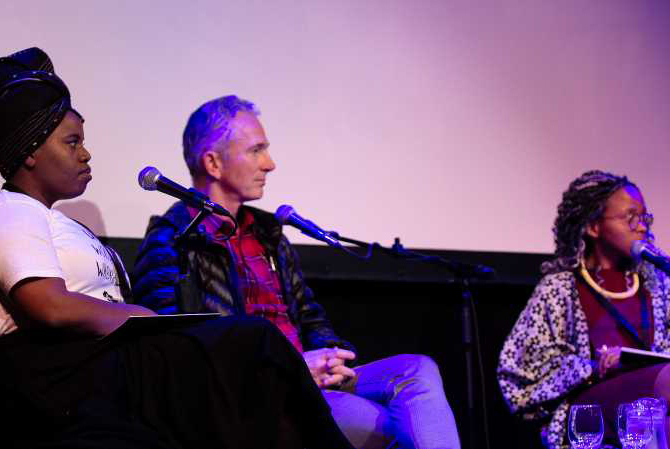
QTL Musa Gwebane, Crispian Olver and Zenande Booi
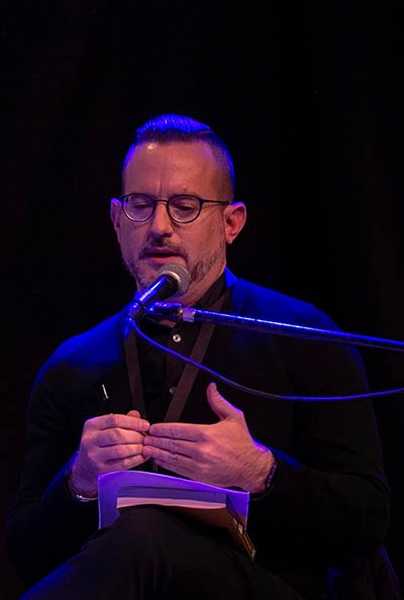
QTL Jaco Barnard-Naudé
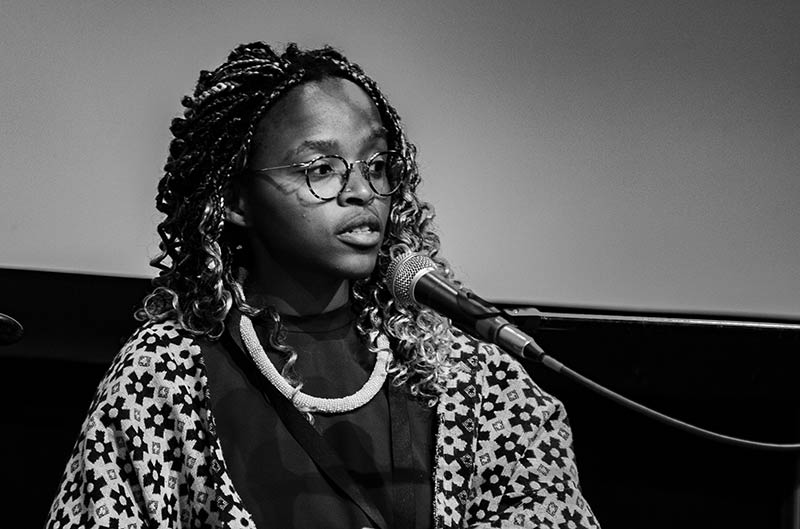
QTL Zenande Booi
QTL Musa Gwebane, Crispian Olver and Zenande Booi
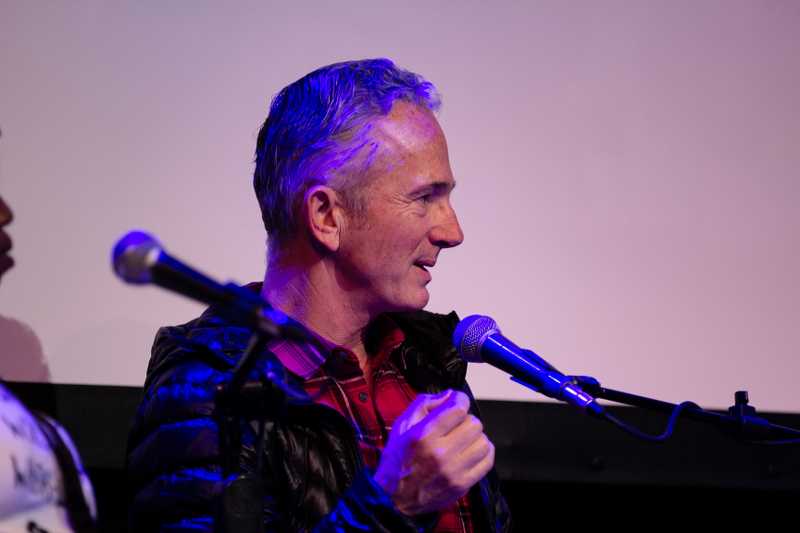
QTL Crispian Olver
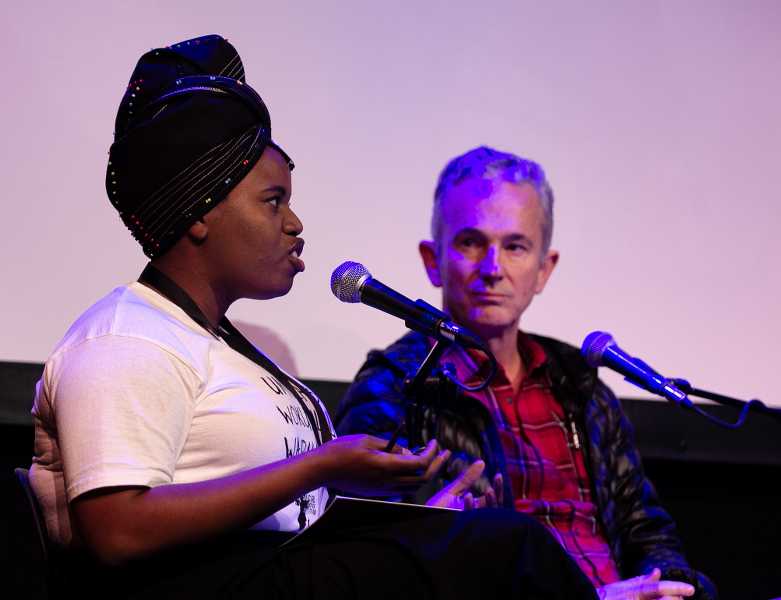
QTL Musa Gwebani and Crispian Olver
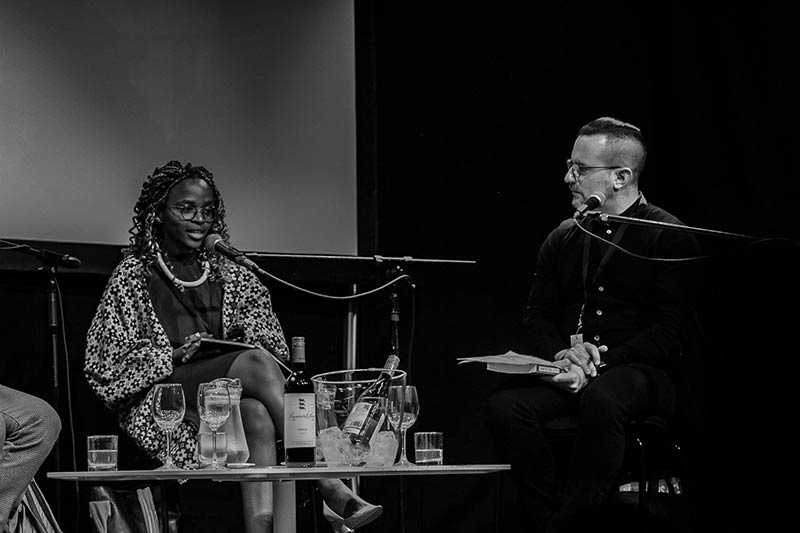
QTL Zenande Booi and Jaco Barnard-Naudé
Migrants and (In)visibility

MI Layla Al-Zubaidi

MI Miranda Madikane, Aldami Scot Tshalu, Layla Al-Zubaidi and Oswald Kucherera

MI Oswald Kucherera
QTL Musa Gwebane, Crispian Olver and Zenande Booi
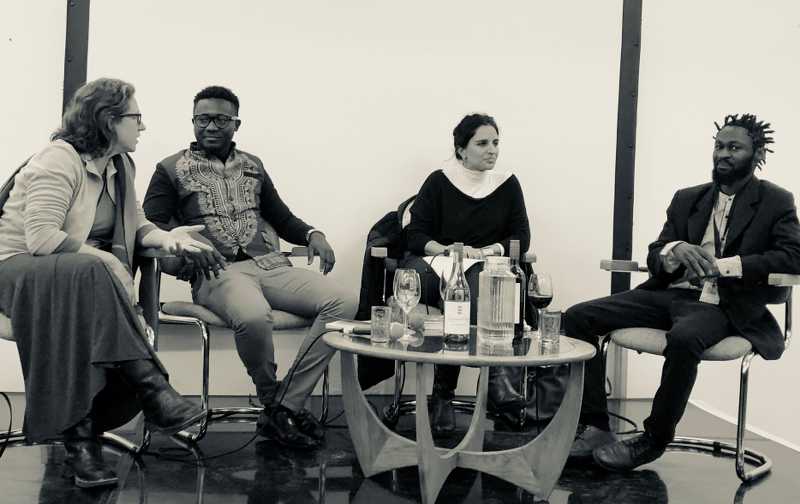
MI Miranda Madikane, Aldami Scot Tshalu, Layla Al-Zubaidi and Oswald Kucherera
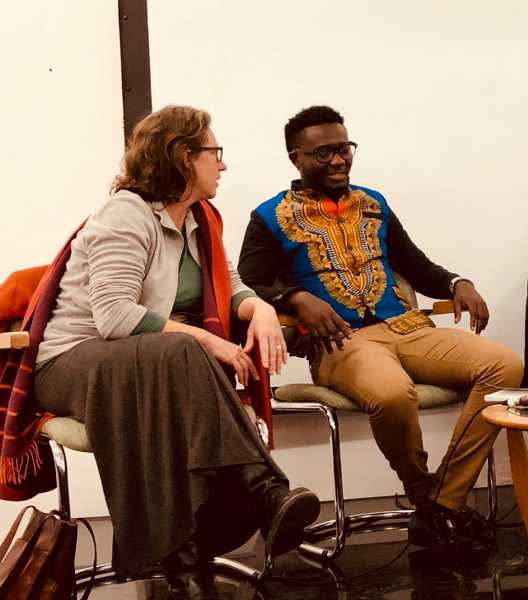
MI Miranda Madikane, Aldami Scot Tshalu
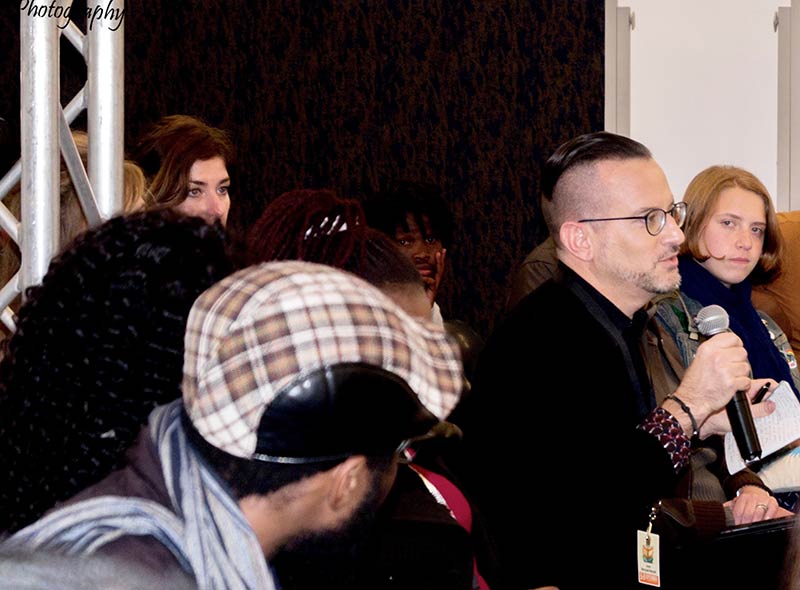
QTL Jaco Barnard-Naudé
KUFAMBA PEMUSORO PEMAKANDA EMAZAI
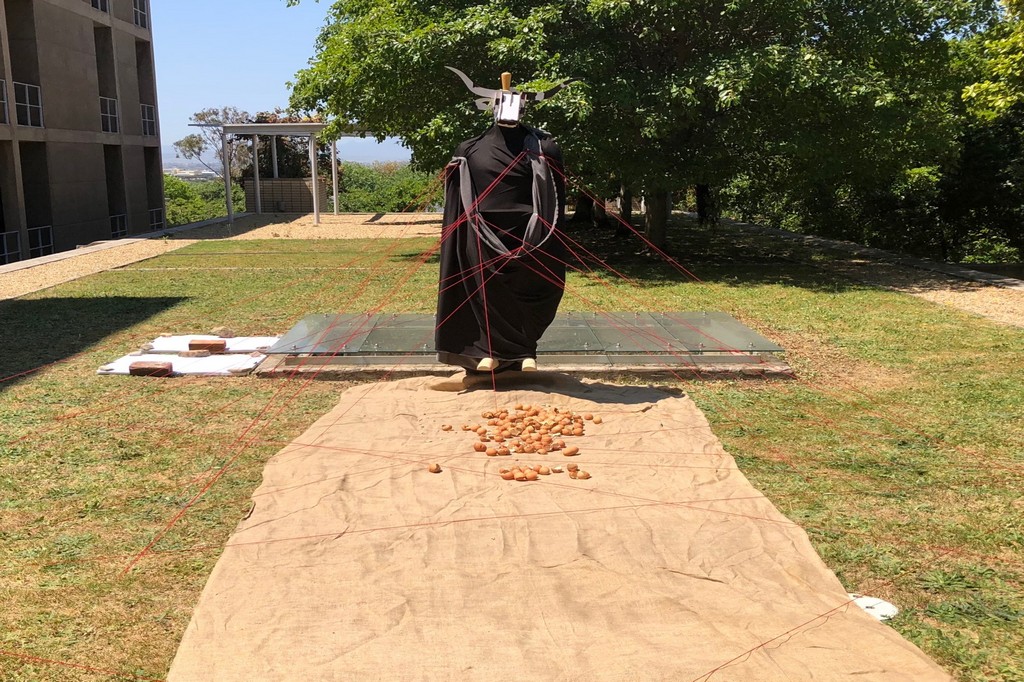
Kufamba Pemusoro Pemakanda Emazai Installation
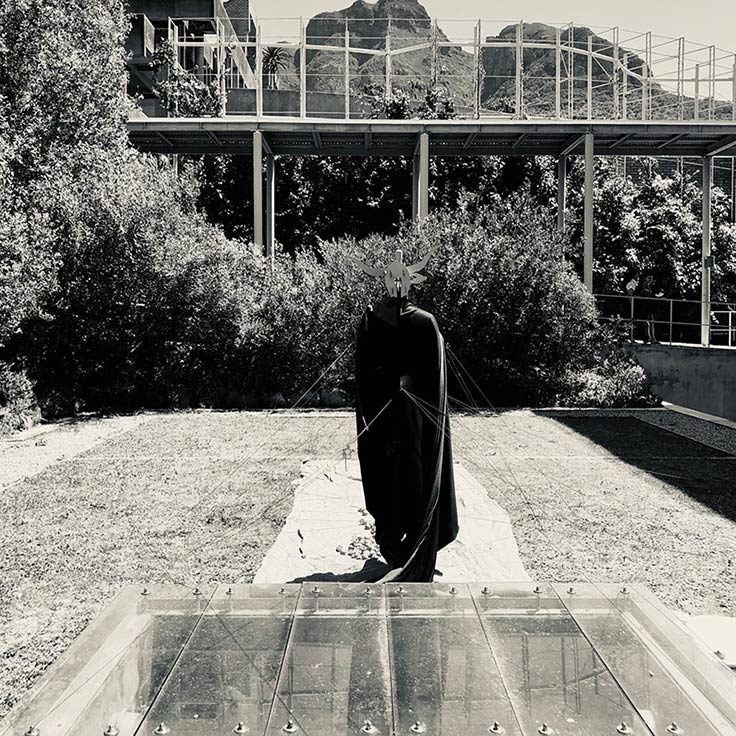
Kufamba Pemusoro Pemakanda Emazai Installation
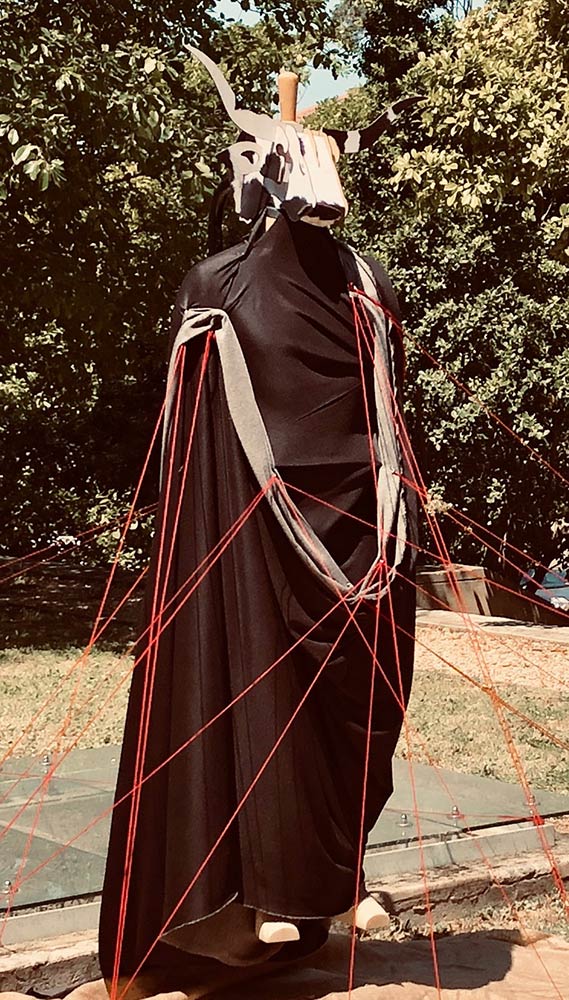
Kufamba Pemusoro Pemakanda Emazai Installation
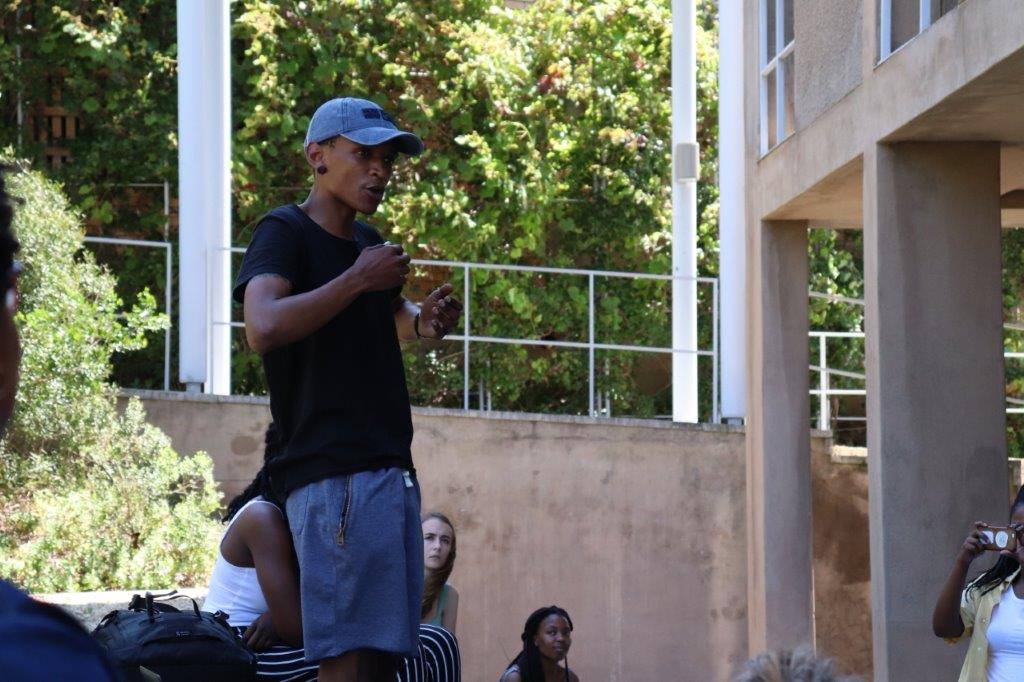
Kneo Mokgopa discussing the installation
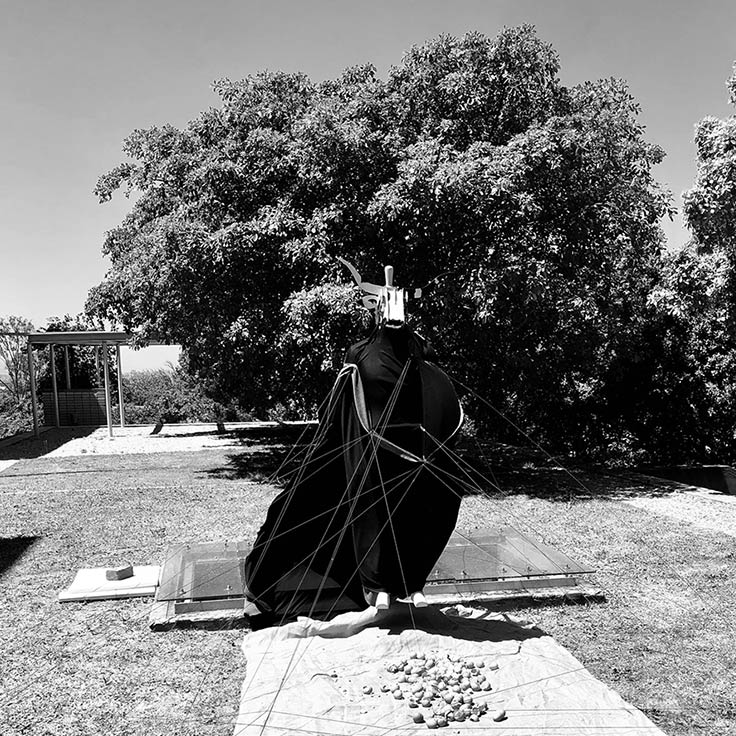
Kufamba Pemusoro Pemakanda Emazai Installation
Kufamba Pemusoro Pemakanda Emazai (Shona, walking on eggshells) was an installation by Kneo Mokgopa that was sponsored and supported by Spatial Justice in the Postcolony.
The installation took place during October 2018 at the decommissioned slave burial ground on the University of Cape Town's Middle Campus. It connects the narratives of the slave burial grounds, the meaning of the UCT building on top of it, the erased history of slaves in the colony and the current experiences of people of colour in the colony generally and on campus specifically.
"The exhibition was a meditation on Chronopolitics the politics of time. "
My questions were, why does it hurt to be here? What causes that hurt?
What maintains that hurt? In whose interest is, and who benefits from this hurt? The exhibition looked at the continued and sustained dehumanisation of Black people in the space now known as middle campus, how its landscape benefited from slave labour, and how the space benefited from outsourced labour while, firstly, acting as a tennis court for the pleasure of whiteness, and secondly as a law school, in service of the perpetuation of a South African Capitalism that disproportionately disadvantaged black people.
What maintains that hurt? In whose interest is, and who benefits from this hurt? The exhibition looked at the continued and sustained dehumanisation of Black people in the space now known as middle campus, how its landscape benefited from slave labour, and how the space benefited from outsourced labour while, firstly, acting as a tennis court for the pleasure of whiteness, and secondly as a law school, in service of the perpetuation of a South African Capitalism that disproportionately disadvantaged black people.
The title came from scenes growing up in Katlehong, a township in Johannesburg. There, Shona speaking people are always under threat, under surveillance. They have to reconstitute their identities to become socially valid in that community. In a similar way, black people, regardless of the cultural and geographic origins, in Cape Town, and more specifically on Middle Campus have to walk on eggshells. I would often sit on the steps outside Kramer, and watch other African nationals walk past the burial grounds on their way to the Law Clinic - slowly, gingerly, respectfully, trying to communicate a humanity that is not easily given in that space. And so, I thought that Shona would be able to communicate that alienation, conquest and oppression in the title 'Kufamba Pemusoro Pemakanda Emazai’" explains Mokgopa.